
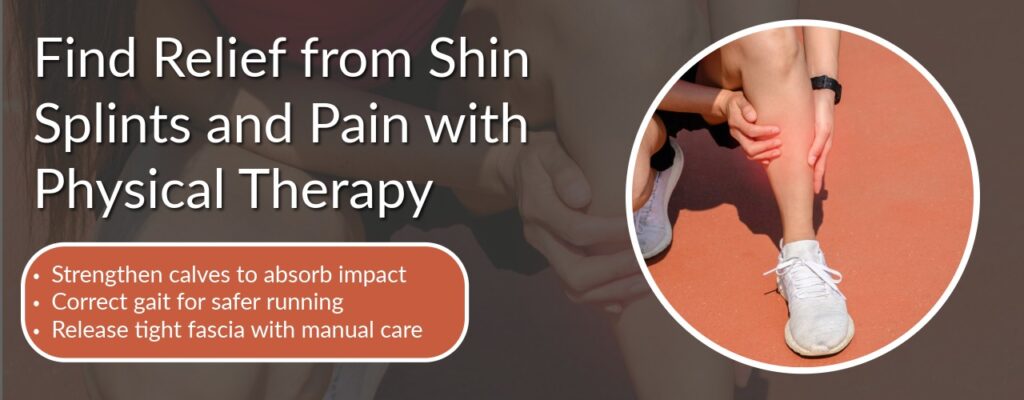
Shin splints can turn a simple run or workout into a frustrating and painful experience. The ache along the inner edge of the shinbone, known medically as medial tibial stress syndrome, often affects runners, dancers, or athletes who increase training too quickly. While it may be tempting to rely on rest, ice, and over-the-counter remedies, professional care can make a significant difference. If you are looking for long-term shin splints pain relief, physical therapy offers targeted solutions that go far beyond temporary fixes.
Below, we compare what it looks like to find shin splints pain relief on your own versus working with a licensed physical therapist at The Physical Therapy Institute.
Tips to Manage Shin Splints
Option 1: Self-Care and Home Remedies
Self-treatment often starts with good intentions and basic strategies. People experiencing shin splints may reduce activity, apply ice, and take anti-inflammatory medication. While these measures can ease discomfort, they do not address the underlying issues that cause the pain to return once activity resumes.
Common Self-care Approaches
- Rest from running or high-impact exercise
- Icing the affected area for 15–20 minutes
- Wearing cushioned or supportive shoes
- Taking pain relievers such as ibuprofen
- Light stretching of the calf muscles
Risks and Limitations of Self-Care
- Pain may return when training resumes
- Delayed healing due to lack of strengthening
- Possible misdiagnosis if the issue is not shin splints but a stress fracture or compartment syndrome
- No correction of faulty mechanics or postural issues
Many patients come to The Physical Therapy Institute after trying these methods without success. Rest alone often leads to frustration, especially when symptoms return after only a few runs.
Option 2: Physical Therapy for Shin Splints Pain Relief
Physical therapy addresses the source of pain, not just the symptoms. At The Physical Therapy Institute, we start with a comprehensive evaluation to identify movement patterns, flexibility limitations, muscle imbalances, and training errors that contribute to shin splints.
Once we understand what is causing your symptoms, we create a personalized plan for shin splints pain relief that includes the following components:
1. Targeted Exercises
- Strengthening of the calf, foot, and hip muscles
- Balance and coordination drills to improve stability
- Gradual return-to-activity plans to prevent re-injury
2. Manual Therapy
- Hands-on techniques to release tight fascia and muscle restrictions
- Soft tissue mobilization to reduce inflammation and improve circulation
3. Biomechanical Analysis
- Video gait analysis to assess running form
- Correction of overstriding, heel striking, or poor foot alignment
4. Footwear and Orthotic Recommendations
- Guidance on appropriate shoes for your foot type and activity level
- Referral for custom orthotics if needed
5. Education and Training Load Management
- Strategies to avoid doing too much too soon
- Warm-up and cooldown routines that support long-term recovery
Why Physical Therapy Leads to Better Results
While rest and ice may offer short-term comfort, physical therapy provides a long-term strategy for both healing and prevention. The shin splints pain relief patients experience in therapy comes from correcting the mechanical and structural issues that contribute to overuse.
Two Example Cases
Case 1: Self-Care Only
A recreational runner develops shin pain after increasing mileage. They stop running, ice the area, and take a break for two weeks. When they return to training, the pain returns within a few days. Without addressing muscle weaknesses or running mechanics, the problem persists.
Case 2: Physical Therapy at The Physical Therapy Institute
A similar runner starts therapy after the pain begins. The therapist identifies weak glutes and tight calf muscles affecting stride mechanics. A structured strengthening program, manual therapy, and running form correction allow the runner to return to activity without recurrence. The therapist also educates them on training progression to avoid future flare-ups.
Shin Splints Pain Relief Through Personalized Treatment
No two cases of shin splints are exactly alike. At The Physical Therapy Institute, we recognize the importance of personalized care. Some patients need help correcting overpronation. Others require mobility work for stiff ankles or hips. Our therapists build each program around what you need, using the most current evidence-based techniques.
By treating the root cause and providing clear, structured progressions, we reduce the likelihood of setbacks. Patients also gain the tools to maintain their recovery and stay active with greater confidence.
Choose Lasting Relief with Help from The Physical Therapy Institute
If you’ve tried to manage shin splints on your own and are still struggling with pain, there is a better option. The shin splint pain relief you deserve begins with professional evaluation, customized exercises, and a supportive care plan designed by experienced physical therapists.
Let The Physical Therapy Institute help you move beyond pain and back into the activities you enjoy. Contact us today to schedule your first visit and take the first step toward lasting recovery.
Tags: gait correction, leg strengthening, overuse injury prevention, running injury recovery
